VCF 9.0 to 9.0.1 Upgrade – Part 1

Upgrading VMware Cloud Foundation (VCF) is not just about running the upgrade workflow — it’s about preparation. Before moving from version 9.0 to 9.0.1, several validation and readiness steps must be taken to ensure a smooth and error-free process. Before diving into the upgrade process, it’s essential to understand how lifecycle management in VCF is structured and the distinction between management components and core components.

VCF Operations serves as the central tool for managing the lifecycle of both Management and Core Infrastructure Components. It provides unified capabilities for downloading, staging, and applying patches or upgrades — whether you’re operating online or through an offline depot. While both component types can share the same depot, their upgrade scopes differ:

  • Management components (like SDDC Manager, Aria Suite, and NSX Managers) are maintained at the fleet level, allowing consistent operations across multiple VCF instances.
  • Core components (such as ESX hosts, vCenter, and NSX Edge Clusters) are managed per instance, ensuring control within each workload domain.

This separation allows administrators to plan and execute upgrades in a structured, non-disruptive way. However, it also raises an important question:

When performing an upgrade, which should be done first? The management components or the core components?

This article is part of a two-part series. In this first part, I’ll cover the upgrade of the VCF management components, and in the next one, I’ll focus on the core components. In both, we’ll outline what to verify, what to back up, and what dependencies to check before initiating your upgrade.

Continue reading “VCF 9.0 to 9.0.1 Upgrade – Part 1”

VCF 9.0 Bringup Error: Failed to retrieve compatibility matrix

During the bring-up of VMware Cloud Foundation (VCF) 9.0 with the VCF installer, in the validation phase, you may encounter errors related to retrieving the compatibility matrix for VCF components. This issue occurs when using an online depot on the VCF installer to download the binaries required for VCF bring-up. First, ensure the VCF installer can download the vLCM compatibility data bundle from Broadcom’s VVS endpoint at vvs.broadcom.com. In our case, the VCF Installer can access the required URLs, but we still got the errors! Keep reading if you are in the same situation.

You can use a workaround on the VCF installer to solve this issue and continue the VCF bring-up.

Continue reading “VCF 9.0 Bringup Error: Failed to retrieve compatibility matrix”

vRealize Log Insight Upgrade Error

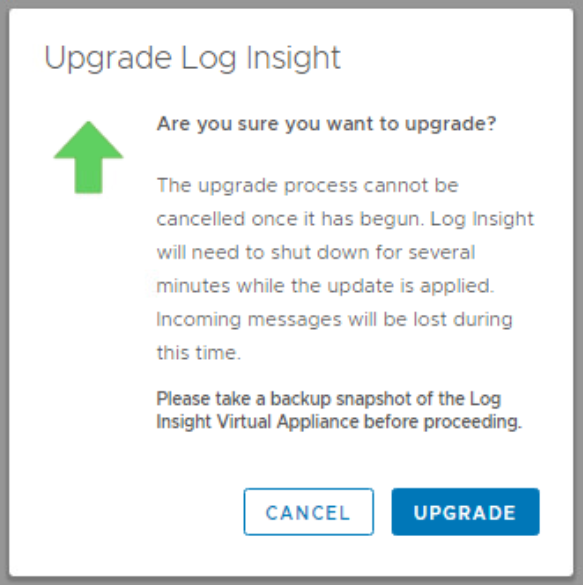
Upgrading vRealize Log Insight is a pretty straightforward process. You need to download the upgrade PAK file from VMware website. Then under the Administration section of the vRLI dashboard, under Management click on Cluster, and on the right panel, select Upgrade Cluster. You might have a standard non-cluster vRLI environment but doesn’t matter the upgrade process goes the same path both for standard and cluster environments. Then you just feed the wizard with the downloaded PAK file and then start the upgrade process. Super easy huh?!

It should go that easy, but as you know, when working in the field things always don’t go as planned!

Continue reading “vRealize Log Insight Upgrade Error”

vCenter Server 7.0 HTML5 UI error “no healthy upstream”

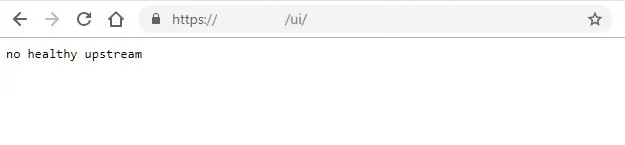
After upgrading to vCenter 7 Update 1 , when I tried to browse vCenter HTML5 UI, I faced “no healthy upstream” error. I could access to vCenter Management Interface (VAMI) https://vCenter-IPaddress:5480 without any issues. I could also connect to vCenter Server through  SSH but I realized couple of vCenter Server services could not start.

Continue reading “vCenter Server 7.0 HTML5 UI error “no healthy upstream””